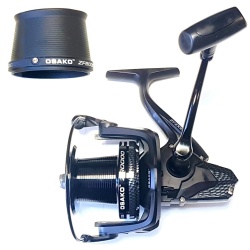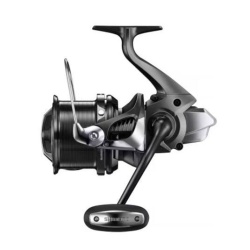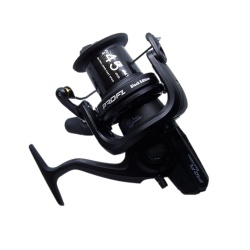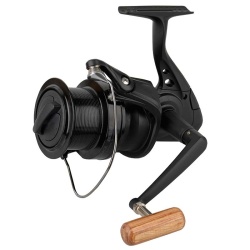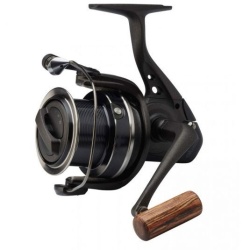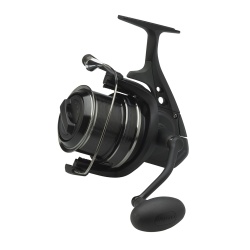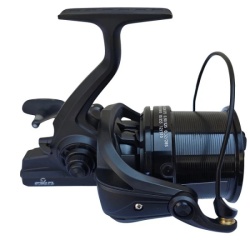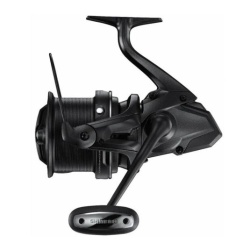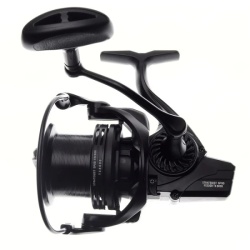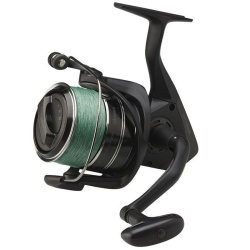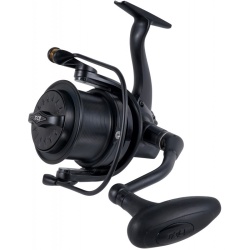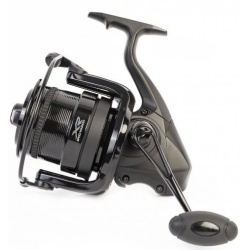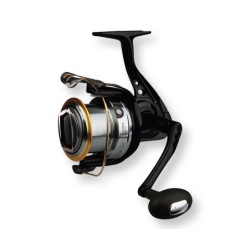

Spod and Marker Reels – Fast Retrieval and Brute Force for Casting
Heavy casting with Spomb rockets or repeated probing of the water with marker lead are among the most demanding activities for a reel. In this category you will find specialized Spod and Marker reels, built with reinforced gears made of ultra-resistant materials, capable of withstanding extreme stresses and bringing empty rockets back to shore in the shortest possible time.
ÎWe offer spod reels equipped with very high retrieval ratios (over 100cm of line on a single crank turn) and spools equipped with round metal clips, essential for precise locking of casting distance. Choose a robust piece of equipment that will make your work on the water more efficient.
Performance Guide & Frequently Asked Questions (FAQ)
Why does a Spod reel need to have a very fast retrieve?
When you cast with a rocket or spod, you cast, empty the contents into the water and then you have to bring the rocket back to shore as quickly as possible to resume the process. A dedicated spod reel retrieves between 100cm and 115cm of line with a single full turn of the crank, saving valuable time and reducing physical fatigue for the angler during long baiting sessions.
What is the purpose of the multiple clips on the spool of a spod or marker reel?
Spod reel spools are often equipped with 2 or 3 round metal clips with guards (springs). These allow you to "clip" the line at precise distances previously determined using measuring stakes. This way, you can be sure that each baited rocket will land exactly on the same line and in the same place as the rig launched from the marker.
Why is textile line used on Spod and Marker reels?
On the spod reel, the thin textile line (0.16mm - 0.18mm) offers zero elasticity, ensuring a direct transmission of force to the cast and excellent resistance in the air for maximum distances. On the marker reel, the lack of elasticity of the textile line is vital: it instantly transmits the vibrations of the lead on the water bottom to the rod blank, helping you to perfectly distinguish whether the bottom is muddy, sandy or rocky.